Max Albanese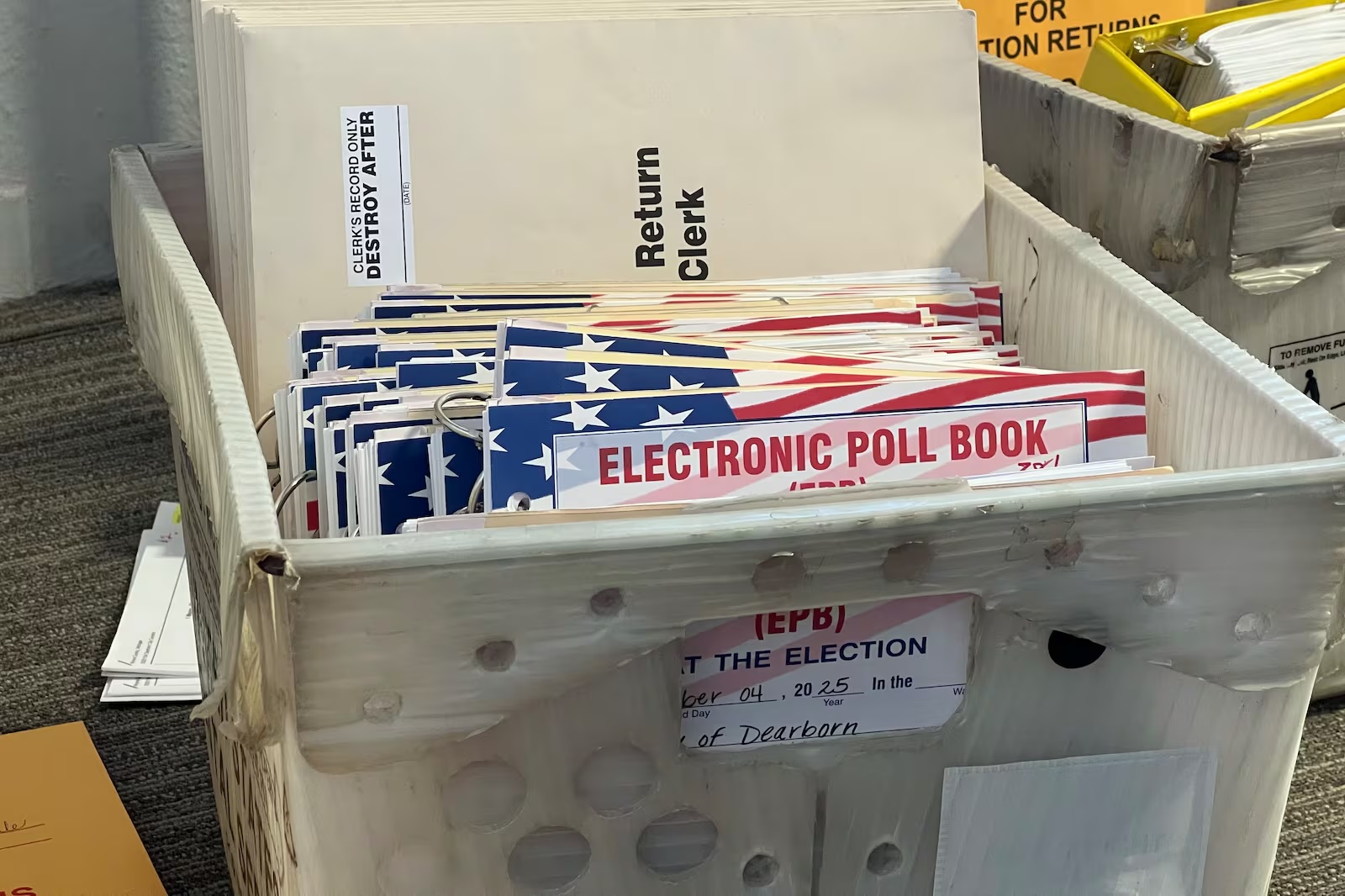
Election officials use a detailed chain of custody process to protect ballots and voting machines throughout an election, from delivery and setup to tabulation and long-term storage. This process documents who handles election materials, when transfers occur, and how equipment and ballots are secured, often requiring tamper-evident seals, logs, and bipartisan oversight. The goal is not only to prevent interference, but also to provide clear evidence that safeguards were followed if results are questioned.
According to VoteBeat, even minor lapses in documentation—such as a missing signature or an incomplete log—can trigger investigations or legal challenges, sometimes putting valid votes at risk despite no indication of wrongdoing. As election security faces increasing scrutiny, chain-of-custody procedures remain a foundational but often misunderstood layer of protection that helps maintain trust in election outcomes.